

What Tampa Buyers Should Really Budget for Homeowners Insurance
A home can fit your price range but stretch your monthly budget. Insurance is one reason I want buyers checking the details early. This guide focuses on the numbers you need for your own purchase.
How much should I budget for homeowners insurance in Tampa?
Start with the property's quote, then translate the annual premium into monthly dollars. A citywide average can't tell you what your particular home will cost.
The Consumer Financial Protection Bureau says costs depend on coverage, rebuilding costs and property features. Deductibles and past claims can also affect the price. Ask for written quotes using comparable coverage before choosing the lowest number.
Here's a made-up example to show the math, not a local rate estimate:
| Budget item | Illustrative annual cost | Monthly equivalent |
|---|---|---|
| Homeowners policy | $3,600 | $300 |
| Separate flood policy | $900 | $75 |
| Combined premiums | $4,500 | $375 |
Replace both premiums with actual quotes before deciding what you can afford. If homeowners coverage were $6,000 instead, this example becomes $575 monthly with flood. That's $200 more each month, even when the home price stays unchanged.
Why can two similar Tampa Bay homes have different quotes?
Insurers look beyond bedrooms, square footage and the asking price. The home's condition and construction can change both eligibility and cost.
Florida’s Department of Financial Services lists roof age, construction, location and claims among underwriting factors. Ask for roof records and details about electrical, plumbing and cooling updates. A newer-looking kitchen doesn't answer those questions.
For older homes, a four-point inspection may be required. It reviews roofing, electrical, plumbing, and heating or air conditioning. A wind mitigation inspection serves a different purpose: documenting qualifying wind-resistant features. Florida’s homeowners guide explains both inspections.
Ask which reports the insurer needs before ordering them. Confirm any repair requirements and whether the quote is still preliminary. Don't assume a discount applies until it appears in your quote.
Have questions about budgeting for a home? Contact Leanna →
What should I set aside for a hurricane deductible?
Read the deductible as a dollar amount you could actually afford. A percentage can look small while representing thousands of dollars.
According to Florida’s hurricane deductible guide, percentage deductibles use the dwelling or structure coverage limit. With $300,000 in dwelling coverage, a 2% deductible equals $6,000. A 5% deductible on that same coverage equals $15,000. These are calculations, not recommendations about which deductible to choose.
Your deductible isn't an extra annual premium or a routine closing charge. It's your share of a covered loss under the policy's terms. Keep that potential expense separate from the money needed to buy the home.
Ask the agent to explain hurricane, other-peril and separate flood deductibles. Also ask what happens if more than one policy covers storm damage. Choose a premium and deductible combination your savings can support.
Should I include flood insurance in my budget?
Get a separate flood quote so you can consider the full cost. Standard homeowners coverage doesn't include flood damage, as Florida’s consumer guide explains.
Ask your lender and insurance agent which requirements apply to the exact address. Then discuss protection beyond the minimum your lender requires. A financing requirement and your comfort with risk are different questions.
The National Flood Insurance Program bases pricing on location, construction and replacement cost. Its building and belongings coverage are generally purchased separately, with separate deductibles. Ask what the proposed policy includes rather than assuming everything comes together.
Confirm the effective date and any waiting period before you need coverage. Include the quoted premium in your monthly comparison, even if you'll pay it separately. Don't use an old seller quote as a promise of your future cost.
What insurance costs will I pay at closing?
Ask your lender to separate prepaid insurance from the initial escrow deposit. Those entries serve different purposes, even though both involve insurance dollars.
The CFPB Closing Disclosure explainer identifies prepaids and initial escrow as separate closing-cost categories. Review the actual months and amounts shown on your disclosure. Ask which payment buys coverage and which funds future bills.
Then check whether your quoted monthly payment already includes insurance through escrow. Don't add the same premium twice when comparing homes. The CFPB explains that escrow collects money for bills such as taxes and insurance.
Those bills can change, so the total payment can change too. Keep room in your budget instead of spending every available dollar at closing. Ask the lender to update your payment estimate using the policy you've selected.
How can I compare quotes without giving up important coverage?
Compare coverage first, then compare premiums with the same assumptions. A lower price may reflect a higher deductible or narrower protection.
The CFPB distinguishes replacement cost from actual cash value when explaining claim payments. Ask how your roof and belongings would be valued after a covered loss. Have the agent explain exclusions and coverage limits in plain language.
Use this short checklist while reviewing each quote:
- What's the dwelling limit and the annual premium?
- What are all deductibles in dollars?
- Is wind coverage included, and is separate flood coverage quoted?
- What roof settlement terms and water exclusions apply?
- What inspections, repairs or approvals are still outstanding?
- Does the lender accept this coverage and effective date?
Save the answers beside your lender's updated payment estimate. That's a much stronger comparison than a listing site's payment calculator.
By the Numbers
- 12: months used to convert annual premiums into monthly planning amounts.
- $375/month: illustrative $4,500 combined annual premiums divided by 12.
- $200/month: difference between $3,600 and $6,000 annual homeowners premiums.
- $6,000: 2% of an illustrative $300,000 dwelling limit.
- $15,000: 5% of that same illustrative dwelling limit.
These examples show arithmetic, not average Tampa premiums or actual insurance offers.
The Bottom Line
Get the home's insurance numbers while you still have time to ask questions. Compare the monthly premium, closing cash and potential deductible together. The right budget should leave you comfortable after you get the keys.
Frequently Asked Questions
Can I use the seller’s insurance bill for my budget?
Use it as background, not your final number. Request your own written quote with your coverage, deductibles and effective date.
Does homeowners insurance include flood coverage?
Standard homeowners insurance doesn't cover flood damage. Ask an insurance agent about separate flood coverage and its cost.
Is the hurricane deductible based on my purchase price?
A percentage hurricane deductible uses the policy’s dwelling or structure limit. For example, 2% of $300,000 is $6,000, regardless of the purchase price.
Can my monthly payment change with a fixed-rate mortgage?
Yes. Your principal-and-interest payment may stay fixed while insurance or taxes change. If those bills are escrowed, your total monthly payment can change.
When should I request an insurance quote?
Start once you've identified a home you're seriously considering. Ask what inspections and documents are needed, and confirm coverage before closing.
Sources
Sources checked September 22, 2026. Budget examples are illustrative calculations.
- CFPB: Shopping for homeowners insurance: Written quotes, price factors and lender review.
- Florida DFS: Purchasing insurance: Roof, construction and claims considered during underwriting.
- Florida DFS: Homeowners insurance overview: Flood exclusion, four-point and wind mitigation inspections.
- Florida DFS: Hurricane deductibles: Percentage basis; examples calculated from illustrative dwelling limits.
- NFIP: Buying a flood policy: Flood rating factors and separate building/contents coverage.
- CFPB: Closing Disclosure explainer: Prepaid costs and initial escrow entries.
- CFPB: Escrow accounts: Monthly collections and payment changes.
- CFPB: Insurance claim payments: Replacement cost and actual cash value.
General homebuying education. A licensed insurance agent should confirm your policy terms and property-specific quote.
FROM OUR BLOG

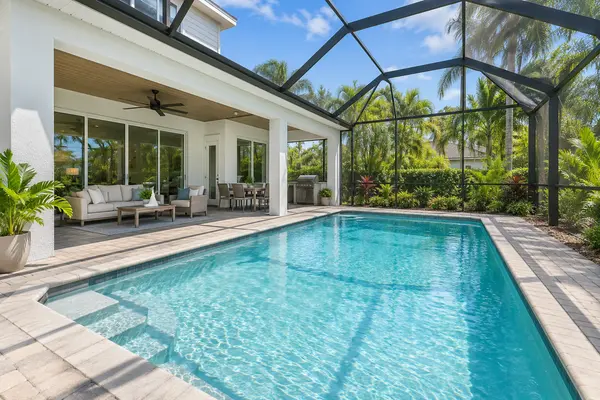
Tampa Bay Pool Home Buyer's Guide: Costs, Care, Insurance
Tampa Bay Pool Home Buyer's Guide: Costs, Care, Insurance By Leanna Tillman, Realtor® | Y Realty | Tampa Bay, FL | September 6, 2026 Quick Answer: In Tampa Bay, homes with a pool sell for about 14.1% more than homes without one, according to LendingTree data cited by Palm Paradise Realty. Around 2

2027-28 School Zone Changes: Is Your Tampa Home Affected?
2027-28 School Zone Changes: Is Your Tampa Home Affected? By Leanna Tillman, Tampa Bay REALTOR® Quick Answer: Hillsborough County approved new school boundary changes for the 2027-2028 school year. The biggest shift closes Graham Elementary and reassigns those students to Broward Elementary. This ma

Temple Terrace FL Buyer's Guide: Tampa Bay Living Explained
Temple Terrace FL Buyer's Guide: Tampa Bay Living Explained By Leanna Tillman, Realtor® with Y Realty | Tampa Bay, FL Quick Answer: Temple Terrace is a small city in the Tampa Bay area, just northeast of downtown Tampa and next to the University of South Florida. As of July 2026, the average home